

GRAPHIC DESIGN
When you think of branding, the first thing that often comes to mind is the logo. While a logo is a critical component, it’s just one piece of a much larger puzzle.
True branding has a comprehensive visual identity that extends across every touchpoint your audience has with your business. It’s about creating a consistent, memorable, and emotionally resonant experience that differentiates you from competitors.
Today, in 2026, we see a crowded digital landscape, that’s why it’s more important than ever for your project or company to have a cohesive and strong visual identity.
Let’s go into what goes beyond the logo and how to craft an impactful brand presence.
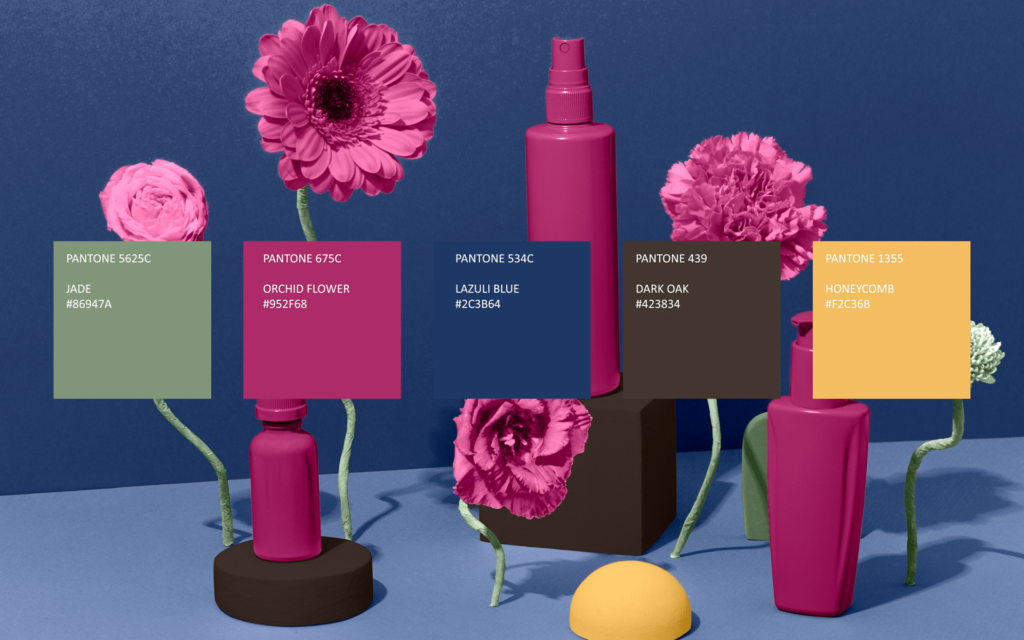
1. The Power of Color Psychology
Colors trigger emotions and instant connections. A smart color palette instantly reveals your brand’s personality, values, and industry.
For example, Blues build trust and professionalism, greens signal growth and nature, and red ignites passion and urgency. This happens automatically; when we see these colors, our minds naturally form these perceptions, or at least that’s how it is for most people.
That’s why it is crucial to be careful when choosing the colors we’ll use for your brand, because we want to convey the right message to your audience without any misunderstandings.
So, remember, apply your primary and secondary colors consistently across your website, marketing, social media, and even physical spaces. Mastering color psychology ensures your visuals hit the right note and engage your audience.
2. Typography as a Brand Voice
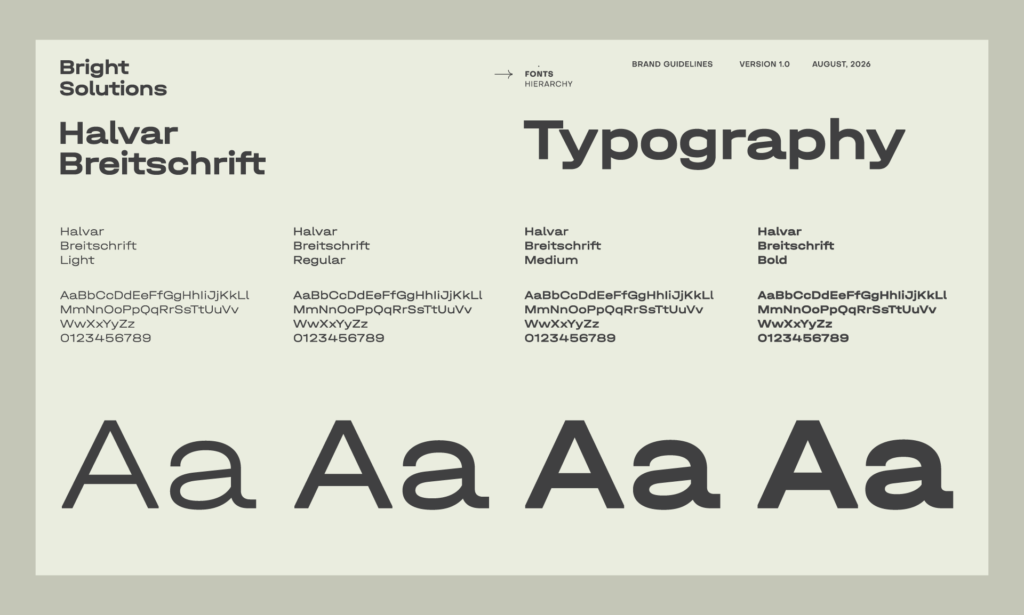
Just like colors, fonts have personalities. For instance, a sleek sans-serif might convey modernity and efficiency, while an elegant serif could suggest tradition and sophistication.
The fonts you choose for your headlines, body text, and calls-to-action contribute significantly to your brand’s overall tone and readability.
Consistency in typography across all platforms reinforces your brand’s professionalism and makes your content easier to consume. A strong typographic hierarchy also guides the user’s eye, improving the user experience.
3. Imagery and Visual Style
The types of images, illustrations, and videos you use are crucial to your visual identity.
Are they bright and energetic, or muted and sophisticated? Do they feature real people or abstract concepts?
Avoid generic images or low-quality images downloaded randomly from the internet. In today’s highly competitive landscape, an image can make the difference between your company being at the top or at the bottom of the list.
A consistent visual style helps your audience recognize your brand instantly, even without seeing your logo. This includes everything from the filters you use on social media photos to the aesthetic of your website’s hero images. A strong visual style tells a story and creates an emotional connection, making your brand more relatable and memorable.
4. Motion Graphics and Videos
In the digital age, static visuals are often not enough. Motion graphics and subtle animations can bring your brand to life, adding dynamism and engagement. Think about animated logos, interactive website elements, or short explainer videos. These elements can convey complex information quickly, capture attention, and create a more immersive brand experience. When used thoughtfully, motion can reinforce your brand’s personality and make your digital presence feel cutting-edge and engaging.
But here’s a tip: don’t create animations and videos just for the sake of it or because they’re trendy. Create something that aligns your brand’s essence and stays true to your company’s values.
5. Brand Guidelines: The Plan for Consistency
To ensure all these elements work together harmoniously, a comprehensive set of brand guidelines is indispensable. This document serves as a blueprint for anyone creating content or marketing materials for your brand. It typically includes rules for logo usage, color codes (CMYK, RGB, Hex), approved fonts, imagery style, tone of voice, and even examples of correct and incorrect applications.
Brand guidelines ensure consistency across all channels, maintaining a strong, unified brand image that builds trust and recognition over time.
Conclusion
Your brand is way more than a logo—it’s every visual and experience that defines your business. Build a unified identity with smart choices in color, typography, imagery, and motion, then document it all in clear brand guidelines. This creates instant recognition, shares your values, builds trust, and forges real connections with your audience. Ready to take your brand to the next level?
Is your brand telling the right story? Let U Web Design help you craft a powerful and cohesive visual identity that truly represents your business. Explore our branding services at uwebdesign.ca/branding.